
Review · KRAKOW
1 Hour Traditional Gondola Sightseeing Vistula River Cruise
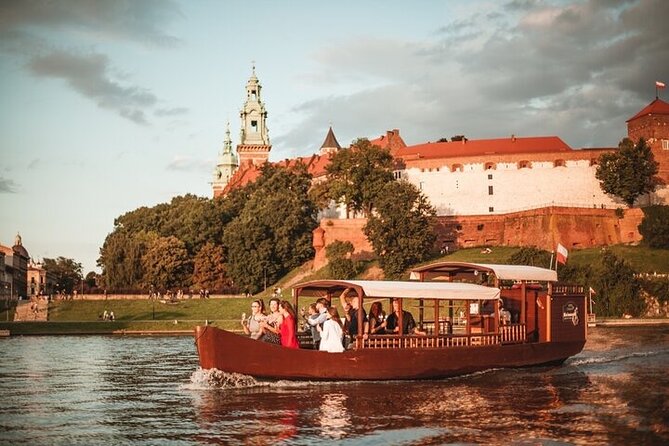
Wawel Castle is the prize here. From the Vistula, its hill, walls, and towers form a fine picture that is hard to match from street level. I also like the small wooden gondola, which feels more personal than a large sightseeing boat, and the calm one-hour pace is easy to fit between Krakow’s museums and meals.
The other plus is the relaxed departure from Kazimierz, away from the main cluster of boats near Wawel. The main caution is simple: much of the ride passes through built-up Krakow, and several famous sights sit inland rather than beside the river. If you expect a nonstop parade of grand monuments, this may feel too short or too urban.
Key points at a glance
- Wawel Castle from the water: The strongest view of the cruise comes as the boat passes below Krakow’s royal hill.
- Traditional 12-person wooden gondola: The boat is built from spruce or oak using traditional Polish boatbuilding patterns and modern preservation methods.
- Kazimierz departure: You board at Barka Mauretania on Bulwar Kurlandzki, then return to the same place.
- Polish-English audio commentary: The commentary points out buildings and landmarks along the river, though the amount of detail may feel modest to history fans.
- Peaceful one-hour break: This is a gentle way to rest your feet, with drinks available at the departure bar and blankets provided on at least some departures.
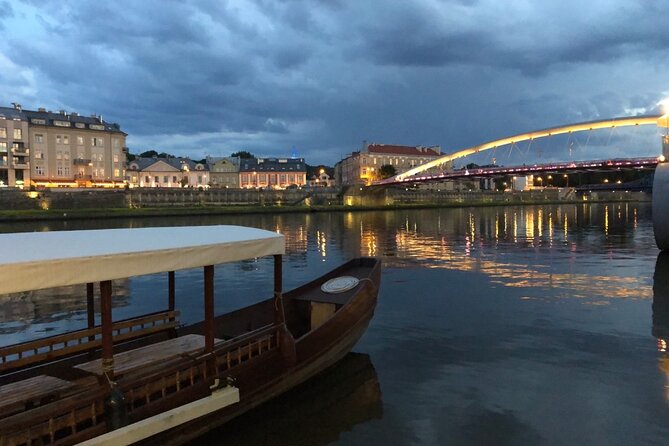
- Good sunset option: An evening sailing can show the castle in daylight, warm sunset light, and after-dark illumination.
What this Vistula cruise is really like
This is not a full Krakow sightseeing tour by boat. It is a short river outing that gives you a different angle on the city, especially Wawel Castle and the historic districts along the banks.
You board at Barka Mauretania, at Bulwar Kurlandzki 137/7 in Kazimierz. Kazimierz itself is one of Krakow’s most interesting areas, once an independent city and now known for the close mix of Jewish and Christian heritage. The cruise begins and ends here, so you can pair it with a walk, meal, or drink in the district.
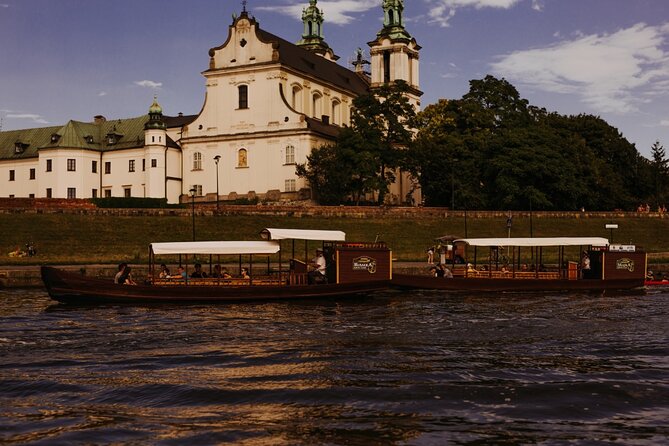
The boat is made entirely of wood and follows older Polish folk boatbuilding patterns. It carries 12 people in its traditional gondola-style form, while the activity may accommodate up to 24 people overall. That distinction matters: you are not signing up for a huge river vessel, but the exact boat and seating arrangement can depend on the departure.
The mood is quiet rather than dramatic. The engine and river sounds do not turn this into a noisy party cruise, and the hour passes at an easy pace. You can sit back, listen to the onboard commentary, and watch bridges, churches, apartment blocks, greenery, and riverside paths slide by.
More One-Hour Experiences in the world:
- 45-Minute or 1-hour Private Gondola Ride from Rialto
★ 4.0 · 85 reviews - 1 Hour Private Romantic Gondola Cruises in Banksia Beach
★ 5.0 · 16 reviews
Why Kazimierz is a useful starting point
Starting in Kazimierz gives the cruise a more local feel than boarding directly beside Wawel Castle. The main boat area near the castle can be busy, while this departure point is a little removed from that central cluster.
That distance is both a benefit and a practical detail. You may find the boarding area quieter, but you should allow time to reach Bulwar Kurlandzki from the heart of the Old Town. The stated meeting point is Barka Mauretania, and the activity returns there after the hour on the river.
There is a bar at the departure point serving drinks, and you may bring coffee or a cold drink with you. Food and drinks are not included in the ticket price. Use the restroom before boarding, since there is no restroom on the boat. That small detail can matter on a short cruise, especially if you are traveling with children or have already spent the day walking.
The route: bridges, churches, and the first river views
The first part of the route introduces the bridges that connect Krakow’s districts. One is the historic bridge linking Kazimierz on Krakowska Street with Podgórze. It is the oldest complete road bridge over the Vistula in Krakow that is still standing.
You also pass the Church on the Rock, officially the Church of St. Michael the Archangel and St. Stanislaus the Bishop and Martyr. It is one of Krakow’s oldest sacred buildings, and the view from the water gives you a useful sense of its position beside the river. The church garden includes the Three Millennium Altar.
Next comes Grunwaldzki Bridge, which links the Old Town with Podgórze. Water tram stops sit on both banks near the bridge, adding a little everyday city life to the scene. These early sights are more about understanding Krakow’s shape than checking off major attractions. The river shows you how the districts connect.
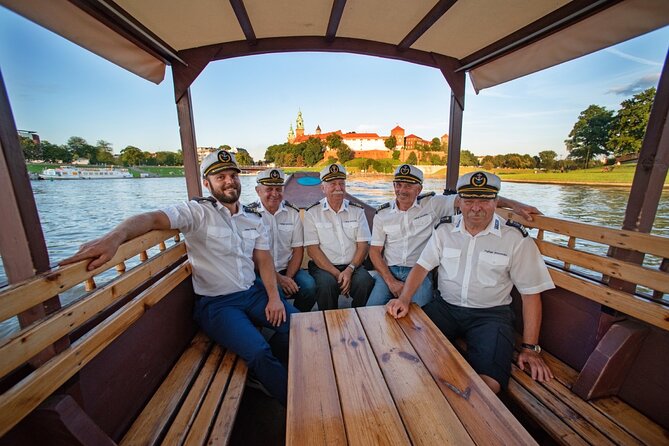
The audio commentary provides names and background as you pass. The tour description presents it as a Polish-English audioguide, while some departures have used prerecorded or multilingual narration. You should expect onboard information rather than a guide walking around the boat and speaking directly to you. The sound system has been praised for clearly pointing out places of interest, though some people may find the commentary brief.
Wawel Castle is the main event
The best part of the cruise arrives at Wawel Hill. The Royal Castle rises from a bend in the Vistula in the heart of Krakow, and the river gives you a clean view of the hill’s position above the water.
This is why I would book the cruise even if you already plan to visit the castle on foot. From ground level, you see courtyards, walls, gates, and detailed buildings. From the river, you see the castle as a royal stronghold placed above a bend in the city. It is a broader, more composed view, and it makes the site’s defensive position easier to understand.
Have your camera ready before the boat reaches the castle. You may also want to move to the upper deck if your boat has one. A departure can be busy, and early boarding may help you secure an upstairs seat. The upper deck is the better choice for open views and photographs, while the lower area may be more useful in rain or cool weather.
A sunset departure can improve this section of the trip. The castle looks different in full daylight, evening color, and after dark. The tour runs for only an hour, so a 19:30 sailing, when available, can pack several moods into one short ride.
More Gondola Rides around the world:
- Venice: Grand Canal Gondola Ride with App Commentary
★ 4.1 · 23,020 reviews - Venice: Grand Canal Gondola Experience with Live Commentary™
★ 4.2 · 16,504 reviews - Venice: Shared Gondola Ride Across the Grand Canal
★ 3.9 · 6,645 reviews - Grand Canal Gondola Experience with Live Commentary™
★ 4.0 · 4,223 reviews
Beyond Wawel: Dębniki, Zwierzyniec, and Salwator
After Wawel, the boat continues toward Dębnicki Bridge. The current bridge was built in 1951 and measures 157 meters long and 19 meters wide, supported on two spans. It is a practical piece of city infrastructure, not an ornate monument, but the river gives you a clear view of its structure.
The route then reaches Zwierzyniec, one of Krakow’s greener districts. It stretches between the Vistula and Rudawa rivers, and this is where the ride can feel less tightly urban. You may notice more open banks and vegetation than in the central sections.
Salwator, once part of the former Zwierzyniec village, follows. The area is associated with Kościuszko Mound, which can be seen from the broader route. Do not expect the cruise to bring you up to the mound or replace a visit there. The point is to catch a distant connection between the river and Krakow’s outer districts.
The Rudawa River is also part of the story. It is a left-bank tributary of the Vistula and one of Krakow’s drinking water sources. From a boat, this kind of detail helps turn an ordinary stretch of water into part of the city’s working geography.
The Norbertan Sisters’ monastery and the quieter stretch
One of the more distinctive sights is the monastery of the Norbertan Sisters. Its present appearance comes from a major reconstruction in the 17th century during the time of Ksenia Dorota Kątska. The order’s motto is One heart, one soul in God.
The monastery is a good example of why this cruise works best as a pause between major city visits. You do not stop to tour the building. Instead, you see its relationship to the river and hear a little context as the boat passes.
This section may appeal most to people who like seeing how a city’s religious buildings, water, bridges, and neighborhoods fit together. If your main goal is a dense list of famous sights, the route may feel light on big-ticket monuments. The ride is strongest when you treat it as a moving viewpoint rather than a substitute for Krakow’s walking tours.
Dębniki, Manggha, and Podgórze from the river
Dębniki occupies the site of a former village. Its older story includes craftsmen who worked with tanning materials and dyes among oak forests. Today, the riverside view is more urban, but the district adds another layer to the city’s development beyond the royal center.
The Manggha Center of Japanese Art is easy to recognize from the water. Its modern shape resembles a wave of the Vistula, and the museum was created as a home for a collection of Japanese art in Krakow. This is one of the route’s most visually distinctive buildings, particularly because its form responds to the river beside it.
The boat then passes Podgórze on the right bank. The district grew from the city of Podgórze, founded at the end of the 18th century. Earlier settlement in the area was encouraged by local flint deposits, with evidence of human activity reaching back to the Paleolithic and Neolithic periods.
The commentary gives you historical markers, but do not expect a long lecture at every stop. One benefit of the lighter narration is that it does not overpower the ride. One drawback is that history-minded passengers may want more detail about Podgórze and the many buildings they can see from the water.
The return through Kazimierz
The Father Bernatek Footbridge connects Kazimierz with Podgórze. It is a pedestrian and bicycle bridge built on the site of the former Podgórze Bridge, and it has become known as a bridge of lovers.
From the boat, it is another useful connection between the districts. You can watch walkers and cyclists cross above the river, then continue toward the Museum of Tadeusz Kantor, known as Cricoteka. The museum occupies a former Podgórze power plant and promotes Kantor’s work in theater and visual art.
The return to Kazimierz completes the loop at the point where you began. That makes the outing easy to fit into a day without arranging a taxi or finding a second meeting point. You can step off and continue exploring Kazimierz on foot.
Audio commentary, seating, and comfort
The onboard commentary is in Polish and English according to the tour details. Some descriptions of the experience characterize it as live audio, while direct experience has also included prerecorded, multilingual narration. The safest expectation is a boat-based audio system that identifies the main points along the route, not a dedicated historian giving an extended talk.
The sound system has been clear enough for passengers to follow the locations, and the narration is described as pleasantly restrained. Still, the amount of information can feel limited. I would use it as an introduction, then rely on your own sightseeing rather than expecting a full history lesson.
Comfort is one of the stronger points. The wooden gondola gives the trip a traditional character, and blankets have been provided on some departures. The ride is generally smooth, though weather can change the feel of an open boat. Rain has not necessarily stopped the cruise from being enjoyable, but bring suitable clothing if the forecast looks uncertain.
An onboard restroom is not available. Drinks can be bought at the bar before departure, and you may bring a coffee or cold drink along. Food is not included.
Is $17.80 good value?
At $17.80 per person, this is a reasonable small outing if you want an hour of rest and a strong view of Wawel Castle. The price is easier to justify when you value the wooden boat, the smaller scale, and the chance to get away from the busiest sightseeing streets for a while.
It is less compelling if you want a full guided tour of Krakow’s major monuments. Many important sights are inland, and the cruise cannot show you the Market Square, St. Mary’s Basilica, or the interior of Wawel Castle. You are paying for perspective and relaxation, not complete coverage of the city.
The strongest value comes after a morning of walking. Sit down, let the city move past you, and use the hour to reset. Families may also appreciate the simple format, since the ride is long enough to feel like an outing but short enough not to consume half a day.
The activity has a 4.7 rating from 18 reviews, with repeated praise for friendly staff, smooth organization, the peaceful pace, and the castle views. The occasional lower rating centers on the short duration, urban surroundings, and limited commentary. Those points fit the nature of the route and are worth taking seriously.
Who should book this cruise?
I would choose it for a first visit to Krakow if you want one relaxed hour away from the pavement. It also suits couples looking for a sunset outing, families wanting a manageable activity, and anyone who enjoys seeing a familiar city from a new angle.
It is especially useful if you are staying near Kazimierz or already planning to explore that district. The easy return to the same dock means you can continue with dinner or an evening walk.
I would skip it if your schedule is extremely tight, if you dislike boat rides, or if you want a detailed architectural tour. You may also find it underwhelming in poor weather, since the scenery is best when you can comfortably sit outside and look around.
Book with the expectation of a gentle river hour centered on Wawel Castle, not a grand cruise packed with attractions. Use the bar before departure, arrive early for a preferred upper-deck seat, and choose sunset if the timing works. At this price, it is a pleasant add-on to Krakow, provided you value the pause as much as the sightseeing.
FAQ
How long is the Vistula River cruise?
The cruise lasts approximately one hour.
Where does the cruise begin?
You board at Barka Mauretania, Bulwar Kurlandzki 137/7, 31-061 Kraków, Poland.
Where does the cruise end?
The boat returns to the same meeting point at Barka Mauretania in Kazimierz.
Which sights can I see from the boat?
The route includes views of Wawel Hill and the Royal Castle, the Church on the Rock, Grunwaldzki Bridge, Dębnicki Bridge, the Norbertan Sisters’ monastery, Manggha Center of Japanese Art, Podgórze, Father Bernatek’s Footbridge, Cricoteka, and Kazimierz.
Is an audioguide included?
Yes. A Polish-English audioguide commentary is included. The onboard system provides information about buildings and landmarks along the river.
Are food and drinks included?
No. Food and drinks are not included in the ticket price. Drinks are available at the departure bar, and you may bring coffee or a cold drink with you.
Is there a restroom on the boat?
No. There is no restroom on the boat, so you should use facilities at the dock before boarding.
Can I cancel for a full refund?
Yes, if you cancel at least 24 hours before the experience start time. Cancellations made less than 24 hours before departure are not refunded, and changes within that period are not accepted.
Recently added gondolas around the world
- Warsaw: Private Gondola Cruise for Special Occasions★ 3.8 · 4 reviews
- Venice: Vip Semi-Private Walking Tour with Gondola Ride★ 4.5 · 17 reviews
- Venice: Walking Tour & Gondola Ride★ 4.4 · 22 reviews
- Venice: Romantic Palace Dinner and Private Gondola Ride★ 4.7 · 6 reviews
- Venice: St. Mark’s Basilica Guided Tour and Gondola Ride★ 4.5 · 2 reviews
- Venice: Private Photoshoot In Gondola★ 5.0 · 13 reviews
- Venice: Private Tour with Doge’s Palace, St. Mark’s, Gondola★ 5.0 · 7 reviews
- Private Venice Walking Tour and Gondola Ride★ 4.3 · 3 reviews
Krakow Gondola Rides, side by side.
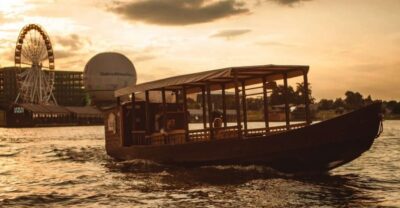
Krakow: Vistula Night Cruise by Gondola w/ Audio Commentary
Read our review →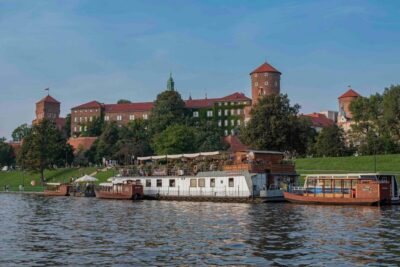
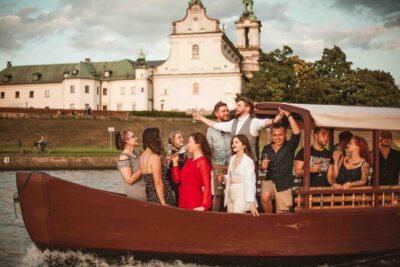
Gondola cruise The Vistula River Krakow private tour up to 12 person
Read our review →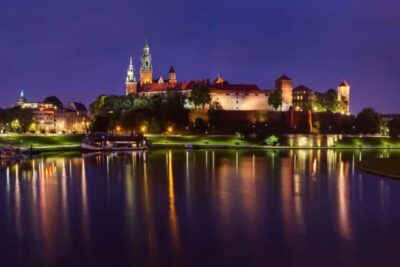
This ride also sits in